


Learning Modules
Learning Modules
-
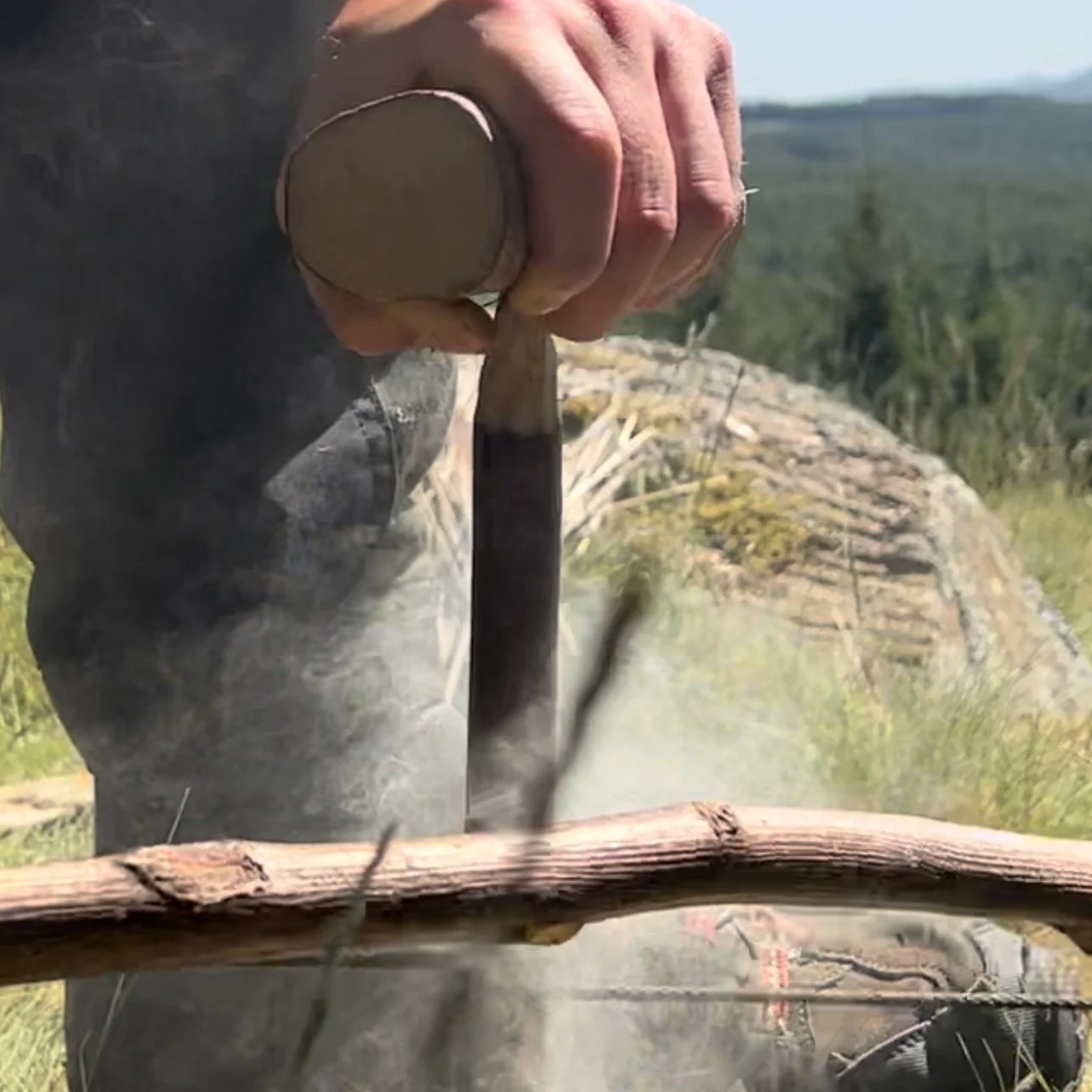
Friction Fire - Bow Drill
The bow drill takes some patience to learn but provides the successful user with a sense of real empowerment. A skill forgotten by most in the modern age, the principles are simple but knowing the nuance between materials and technique is what really makes it achievable. We are firm believers that anyone can use a bow drill with the right teaching, appropriate wood selection and positive mindset - without the need for over-exertion.
-
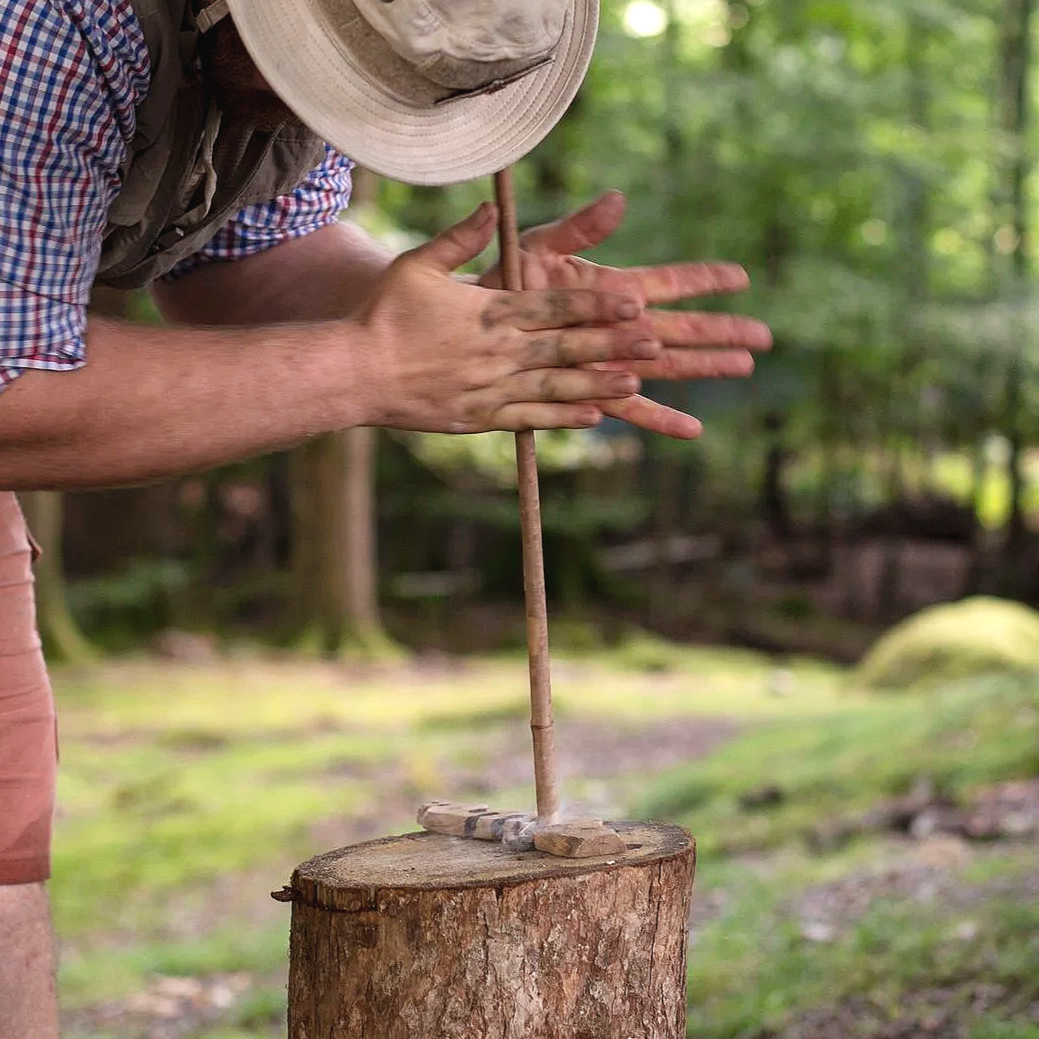
Friction Fire - Hand Drill
A step up from bow drill, hand drill is a much simpler kit which relies more on effective technique. It is much more sensitive to choice of materials and environment but is still an attainable skill for many. Although it can be used solo, a much better way to learn is in a group taking turns.
-
Friction Fire - Pump Drill
Tracing roots back to ancient Egypt, pump drill was originally used for drilling holes into stone and other material. Using smaller drills will work for tasks such as making pendants but it can also be employed for friction fire. The fly-wheel conserves momentum which twists the cord back up the shaft after pushing down making this a very efficient tool.
-
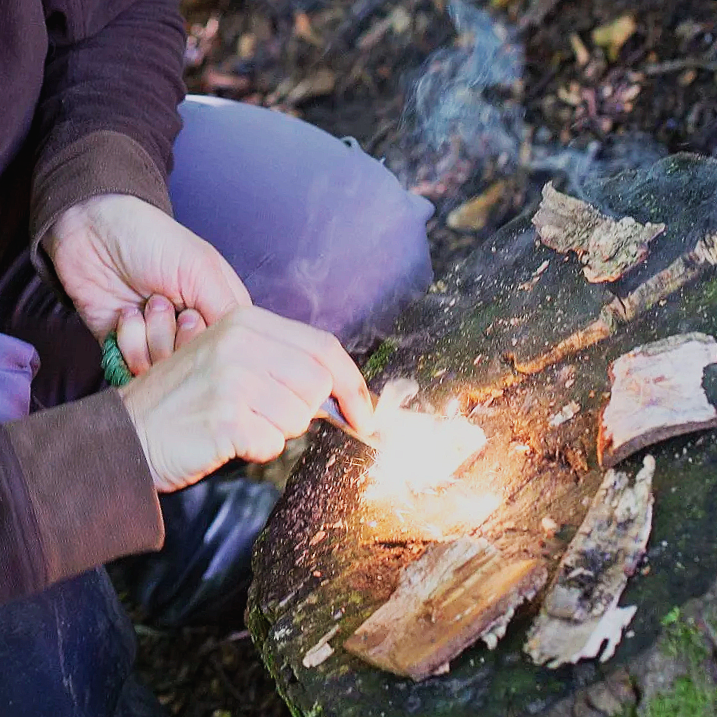
General Firelighting
Ferrocerium rods, flint and steel, fire pistons and much more. This module guides you through different ignition sources and the myriad ways in which to use them. In conjunction with different tinders you will learn about the differences between fire by flame, fire by spark and fire by ember and how to employ them effectively working up through different gears of kindling.
-

Tinders
There is a plethora of available tinders in both the natural world and the urban environment. This module explores where to find them, how to process them and ways in which to use them.
-
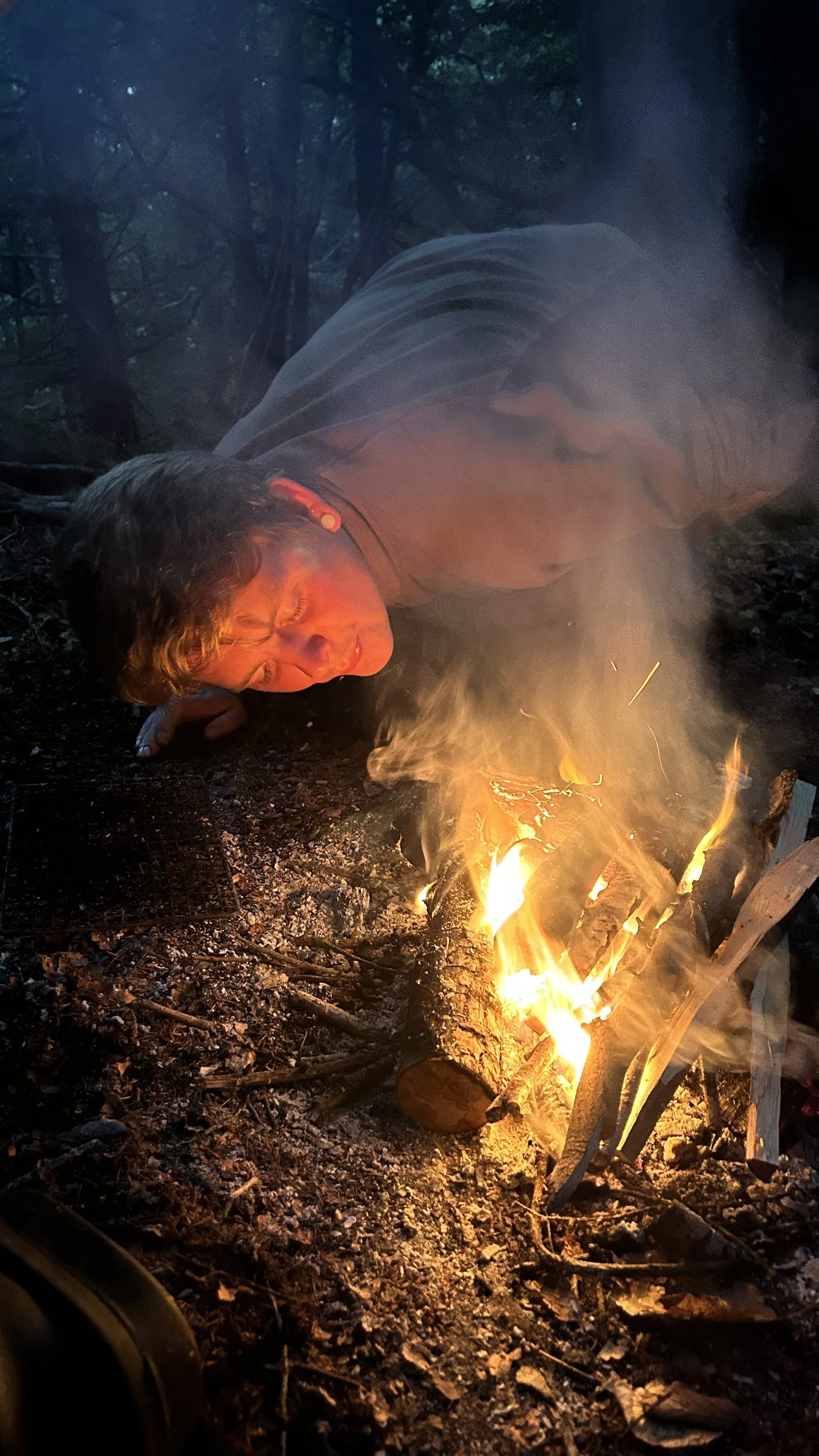
Fire Management
People are so often taught about how to initially make fire but the building and management of a fire is often overlooked. What type of wood to add, how to increase airflow and importantly, how to dismantle and make safe when finished.
-
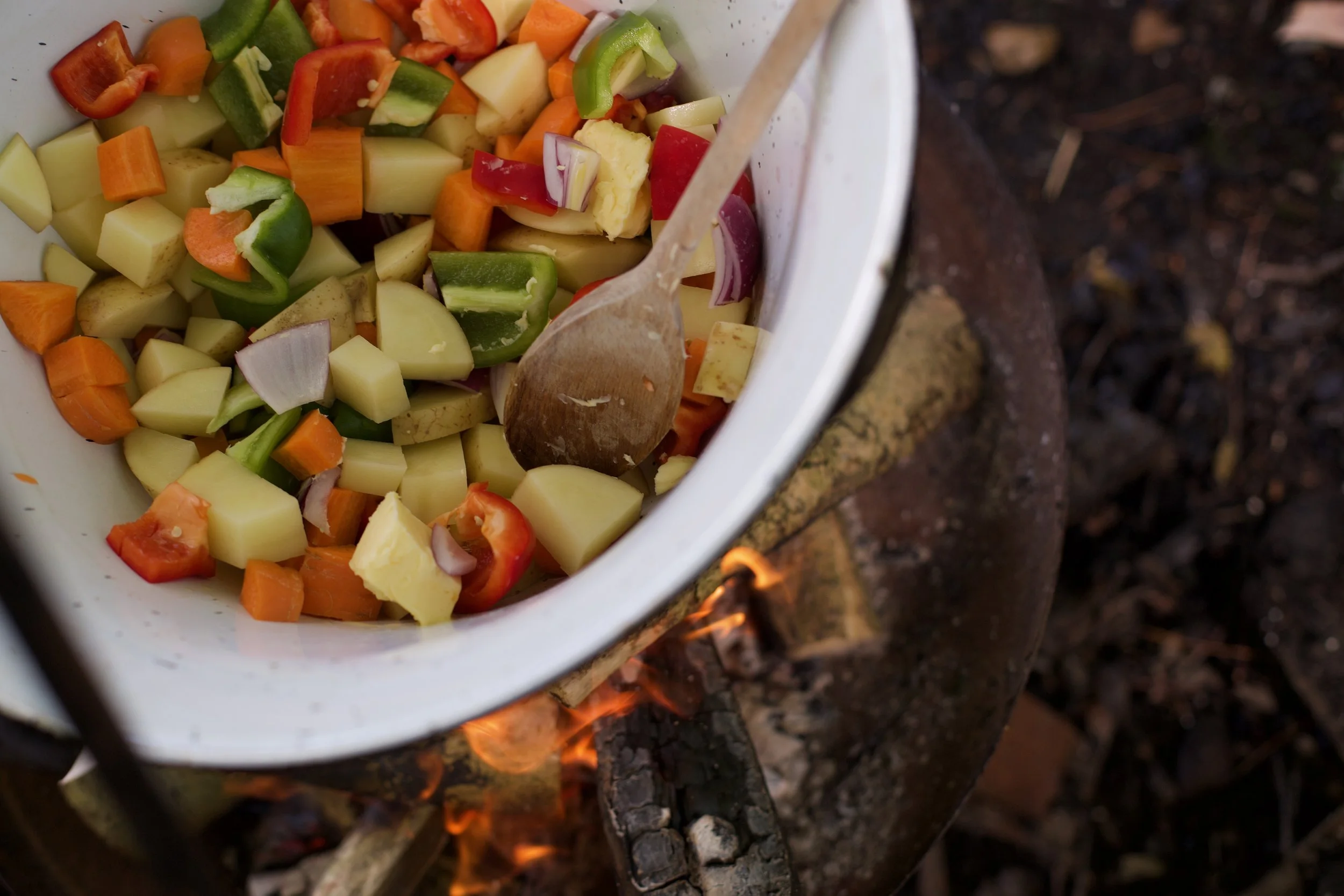
Fire-based Cooking
The art of cooking with fire has a lot of depth. Mastery comes with knowing the different properties of woods, resulting in flames or embers - both useful for different purposes.
-
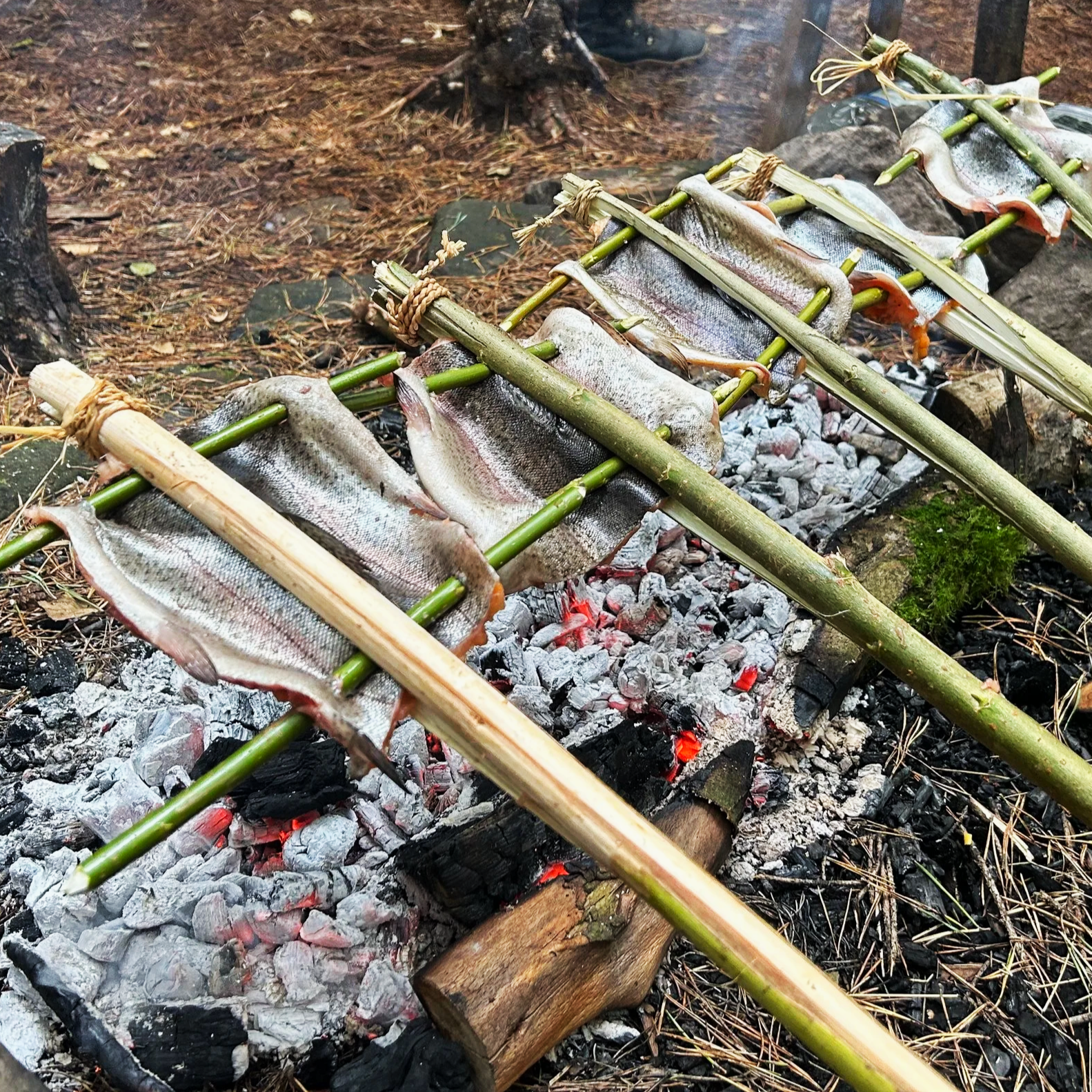
Advanced Cooking Methods
On top of the more traditional ways of cooking over a fire, there are other advanced methods which are often more ancient in origin while still being very effective. Techniques such as ponassing, ground ovens or plant wraps sometimes require more time or effort but are really interesting ways to cook food such as fish or game.
-

Knife Use
How to safely and effectively handle knives. Most people would say that they can use knives for purpose but there are ways to use them that provide much more control, resulting in safer and more efficient usage. In addition to this, there are various aspects of knife law that people should be aware of when practising and carrying.
-
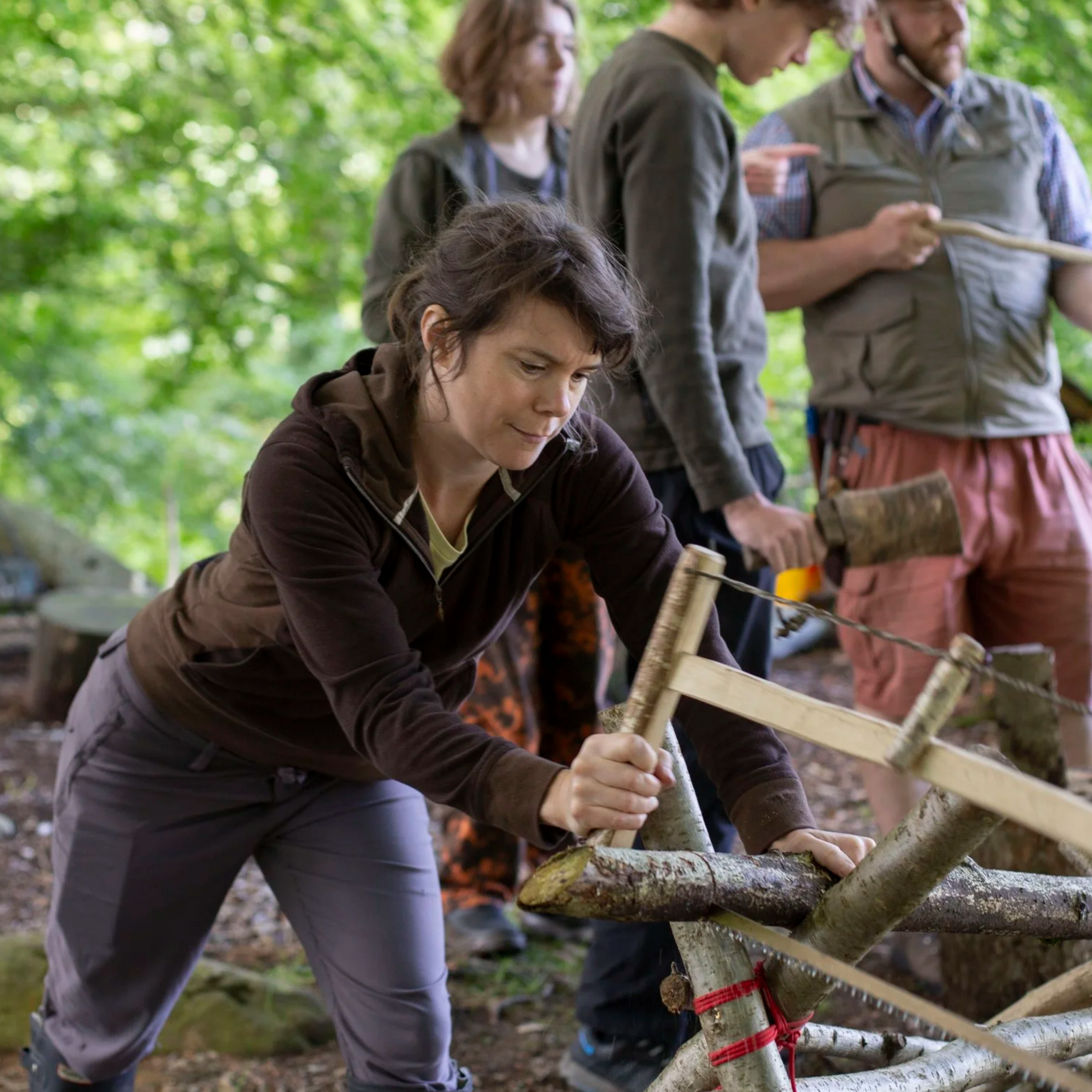
General Tool Use
In addition to knives there are many different tools frequently used in camp and craft situations for different purposes. Saws, froes, axes, mallets, wedges, augers, drills…the list goes on. This module gives some guidance on safe use and how to get the most out of them while using the least amount of energy.
-
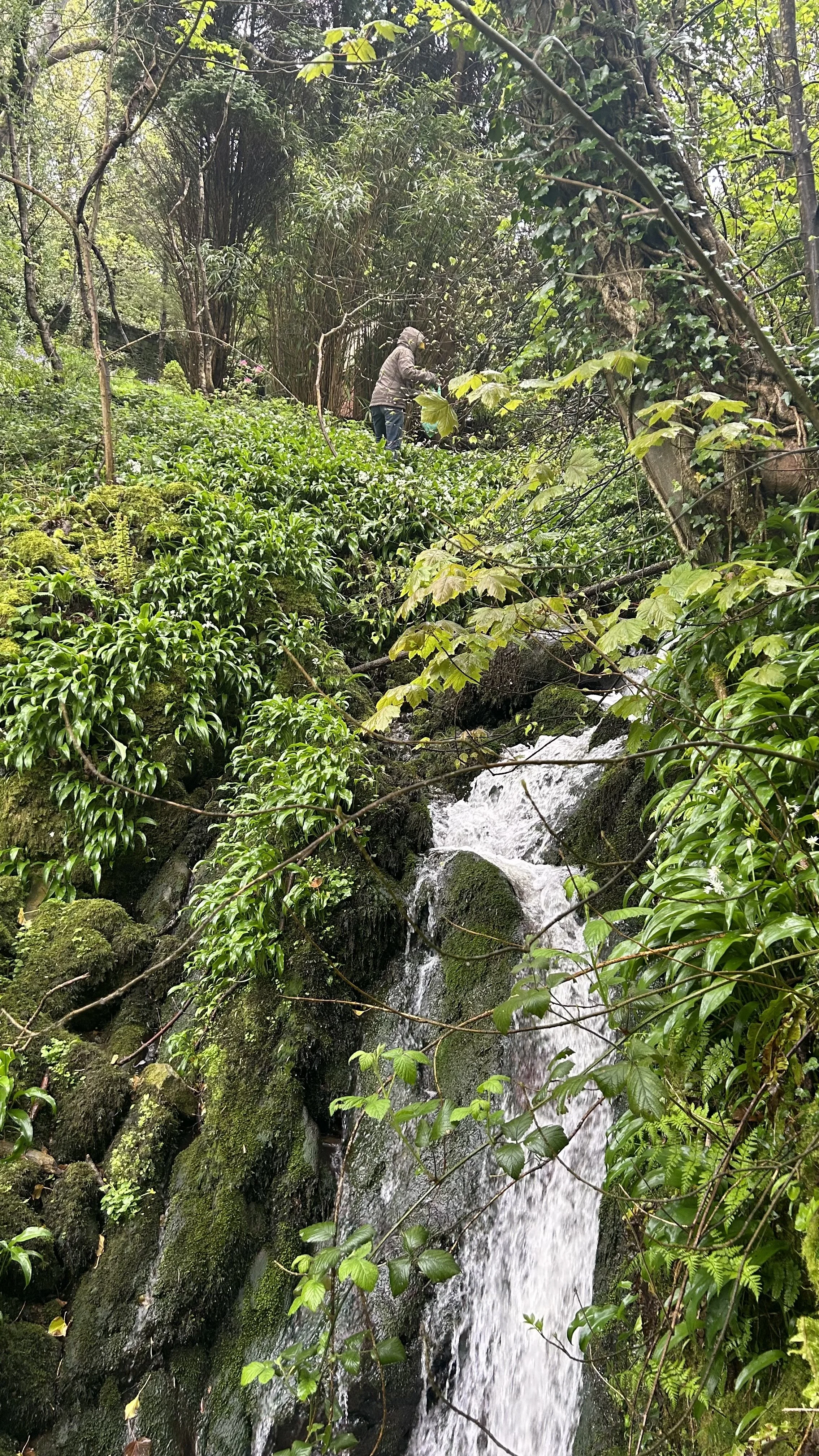
Water Processing
Very often, the place in which water is gathered is the most important contributing factor to the safety of drinking it but there are many different sources, some unexpected. This modules covers collection, filtration and purification of water in both natural and artificial ways.
-
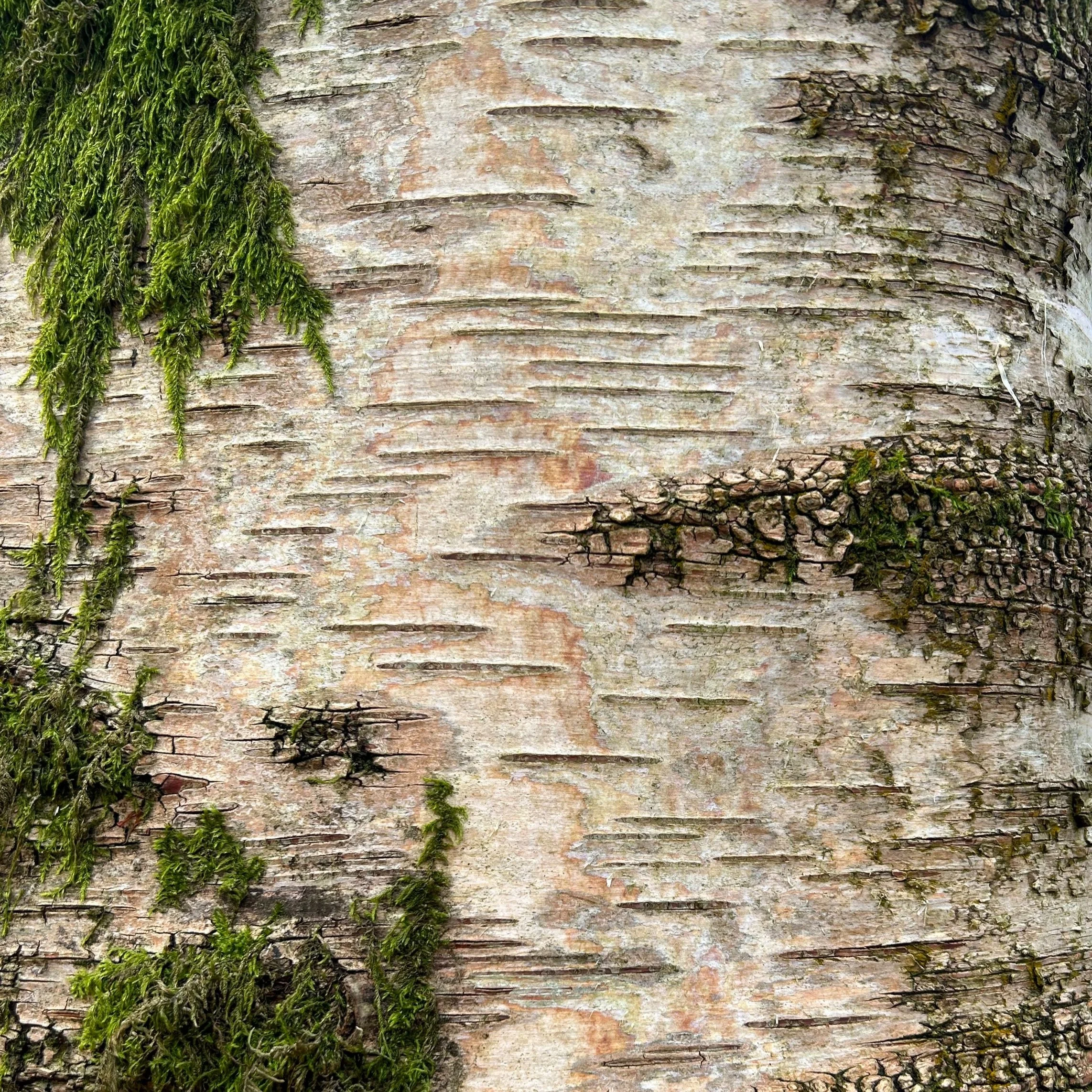
Tree Identification
Combining observations of leaves, bark, growth patterns, fruit, buds and silhouette allow year-round identification. Species differ greatly in terms of properties, what they can provide and how they can be treated. Possibly the most important knowledge to have in bushcraft, all other skills stem from this learning.
-
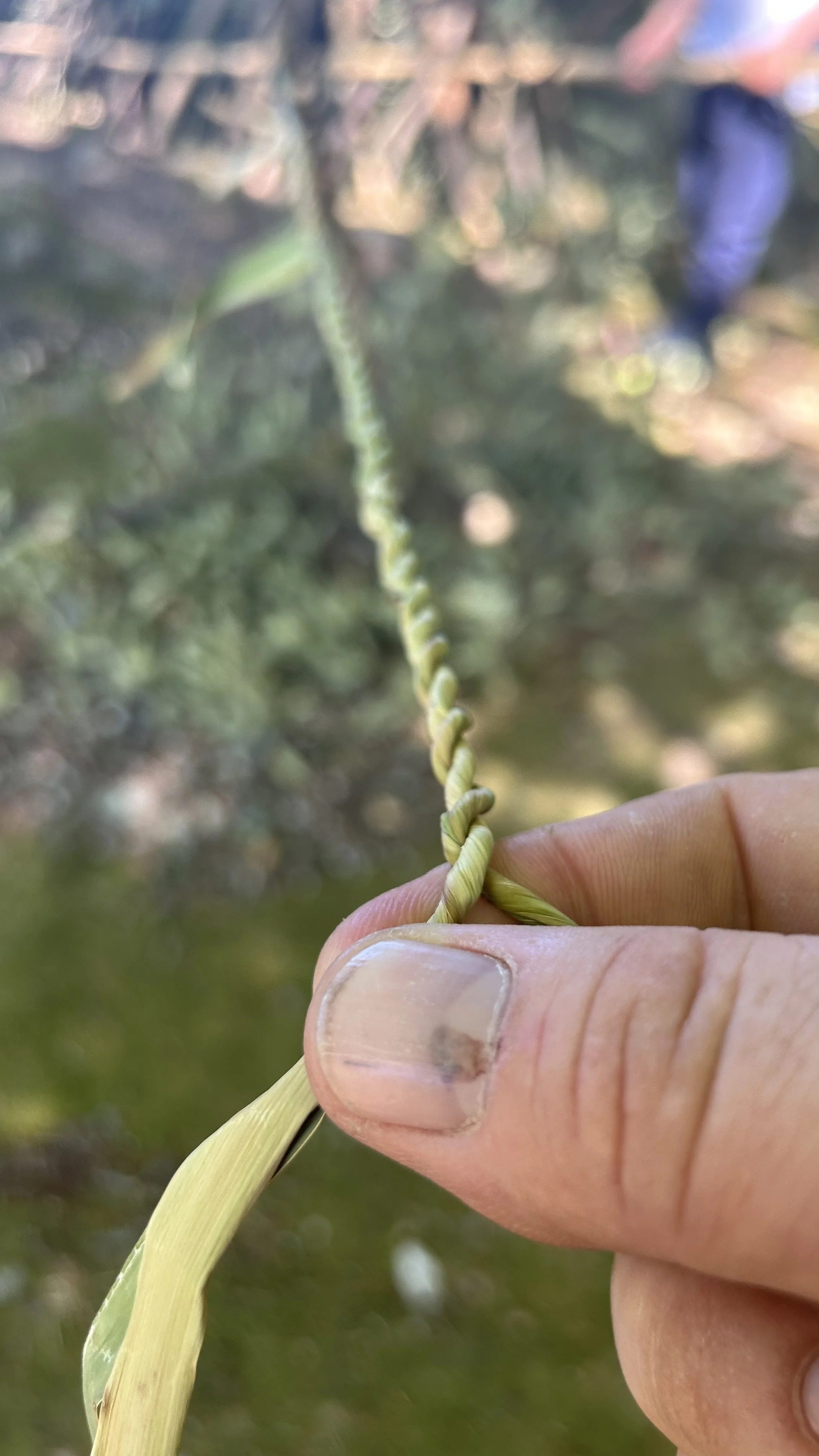
Natural Cordage & Rope
Often overlooked as a skill, cordage making is frequently one of the most popular areas of learning. Leaves, roots, bark and even sinew can be made into useful cordage with varying properties and uses. Learn how to strip plants, extract fibres and make bindings for a variety of uses from thin cord for bracelets, to thick rope to pull the weight of a vehicle.
-

Wayfinding & Navigation
During the day or at night there are many ways to find your way. Constellations, shadow sticks and certain lichen growth can easily help you find a compass bearing but there are also many other subtle clues in the world around us. It is often not a single example but piecing lots of information together that gives a true direction. Taking the time to properly read a landscape not only shows us where we are going but also what we might find when we get there.
-
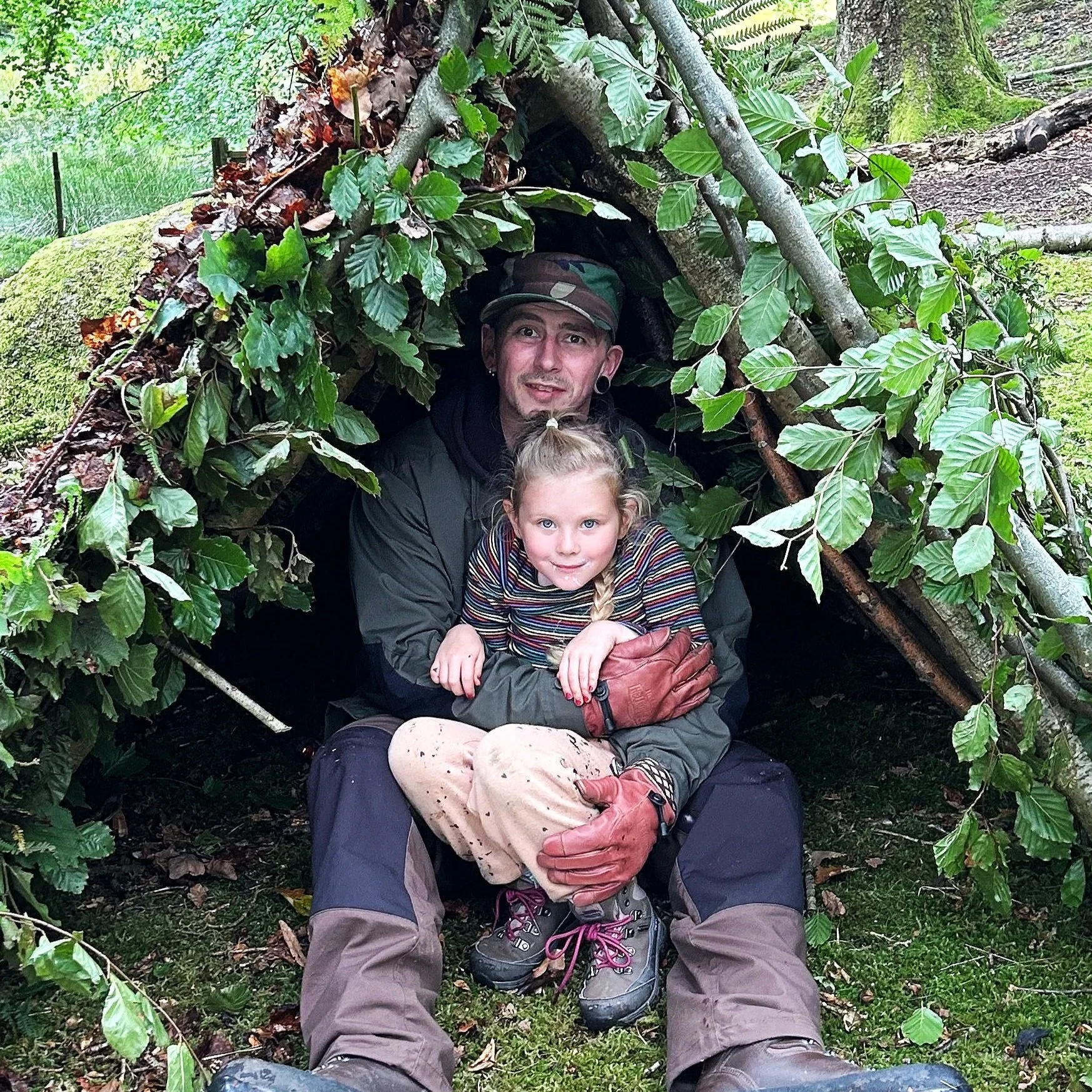
Natural Shelters
Although there are principles and recognised approaches to making natural shelters, one of the best parts of using organic materials is that they are always slightly different and can be adapted as required. There is method in the layering which, if done correctly, can provide a weatherproof build. To construct to this level just takes patience and practice and a knowledge of the materials around you. Because of how they are made they can be easily repaired or even have added functionality such as doors and heating systems.
-
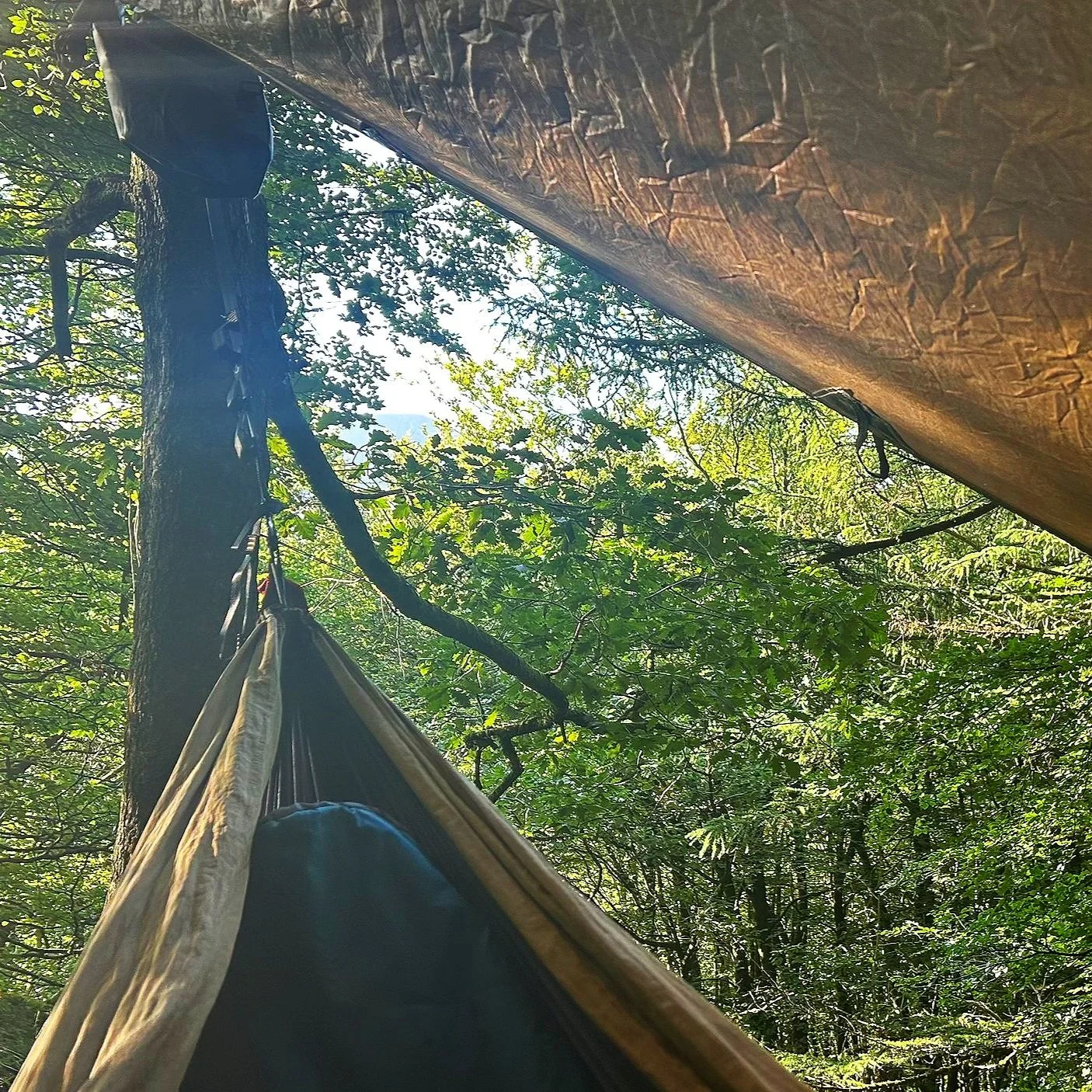
Tarp Shelters & Sleep Systems
Learn many of the different ways to install tarps and reasons for doing so. Starting with basic configurations, the learning then utilises more advanced techniques such as line redirects and adjustable tensioning. This also covers ground sleep setups and hammock camping and why one might be chosen over the other depending on the situation.
-
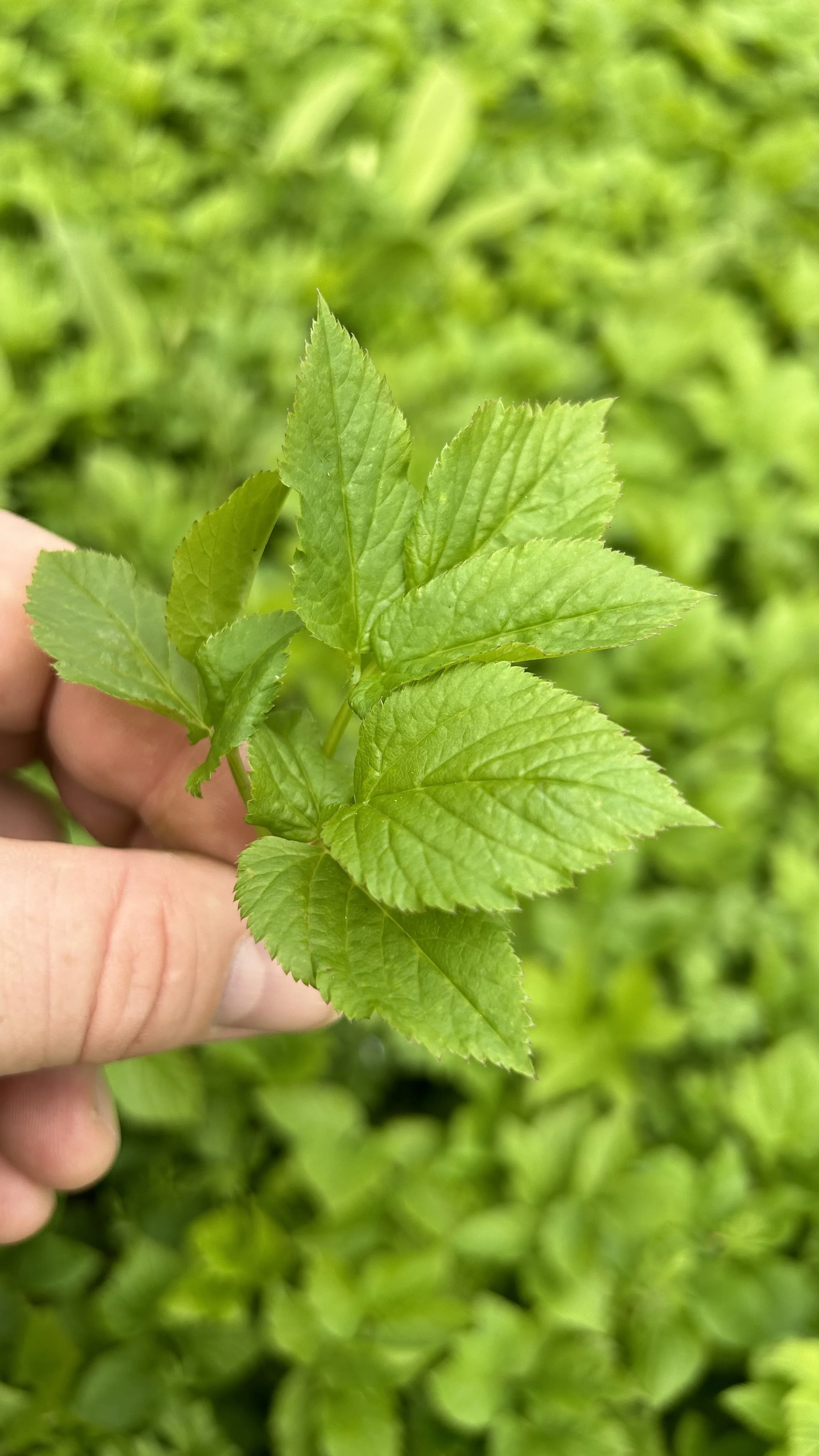
Plants and Funghi
Learn about seasonal flora and funghi and where you are likely to find them with a focus on the edible, medicinal, practical as well as important ones to avoid. This module helps you tune your eye in to colours, textures and shapes to pick out and differentiate plants which upon first glance may seem to be a homogenous sea of green.
-
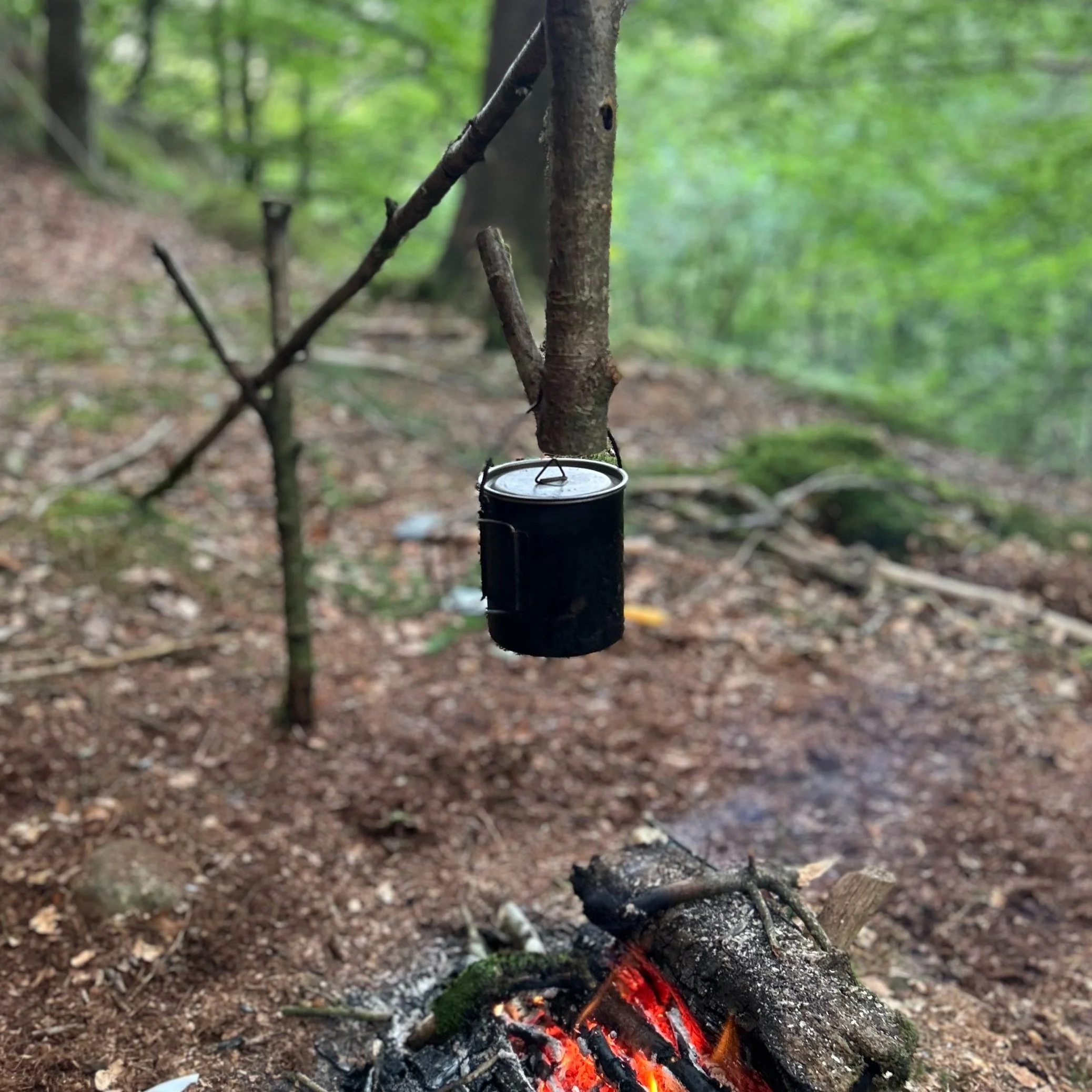
Crafting
A very broad area of learning, crafting can encompass all manner of creation using tools and natural materials. From gadgetry to furniture, ornaments to utensils there are many forms this module can take.