

Flax Bow Drill
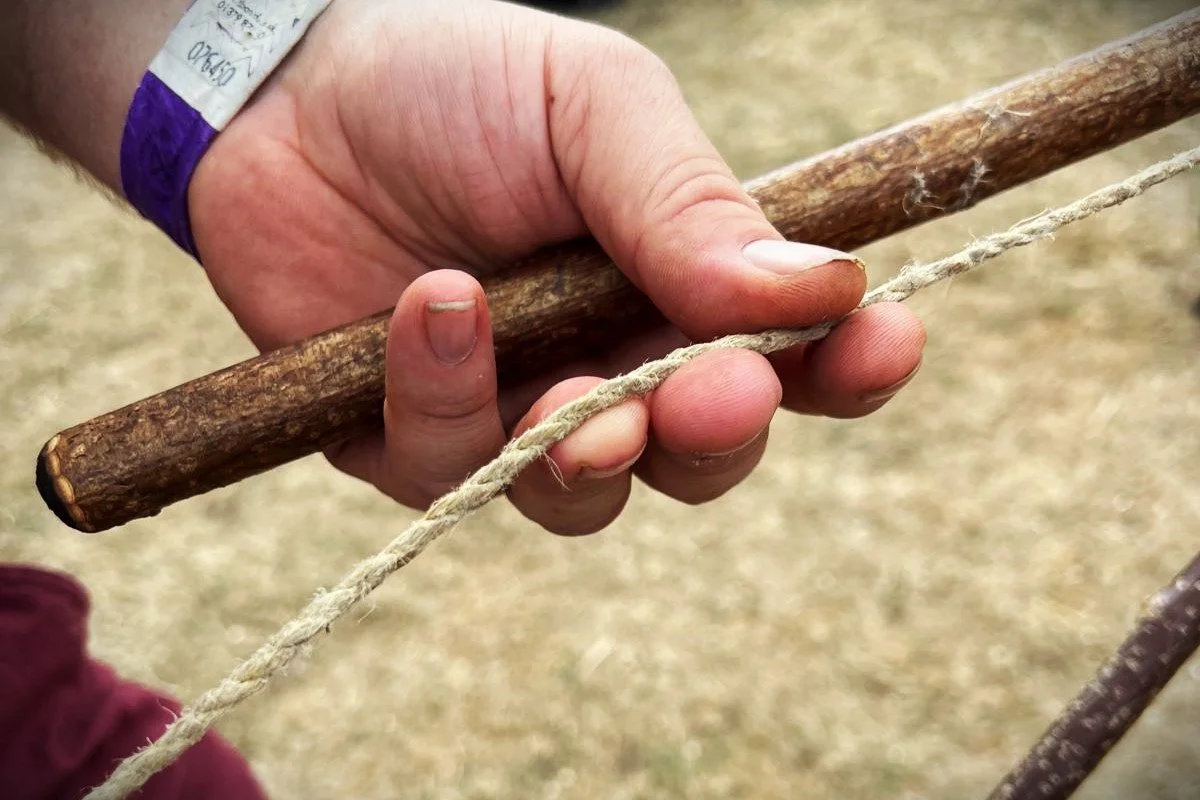
Flax has been utilised as a functional resource for around 30,000 years with archaeological cave discoveries in the Republic of Georgia showing hunter gatherer’s using the wild plant for cordage and textile purposes. Roughly 10,000 years ago, early domestication of common flax (Linum usitatissimum) started in Turkey and Syria, spreading as a practice over the next 5,000 years across Europe, China and India.
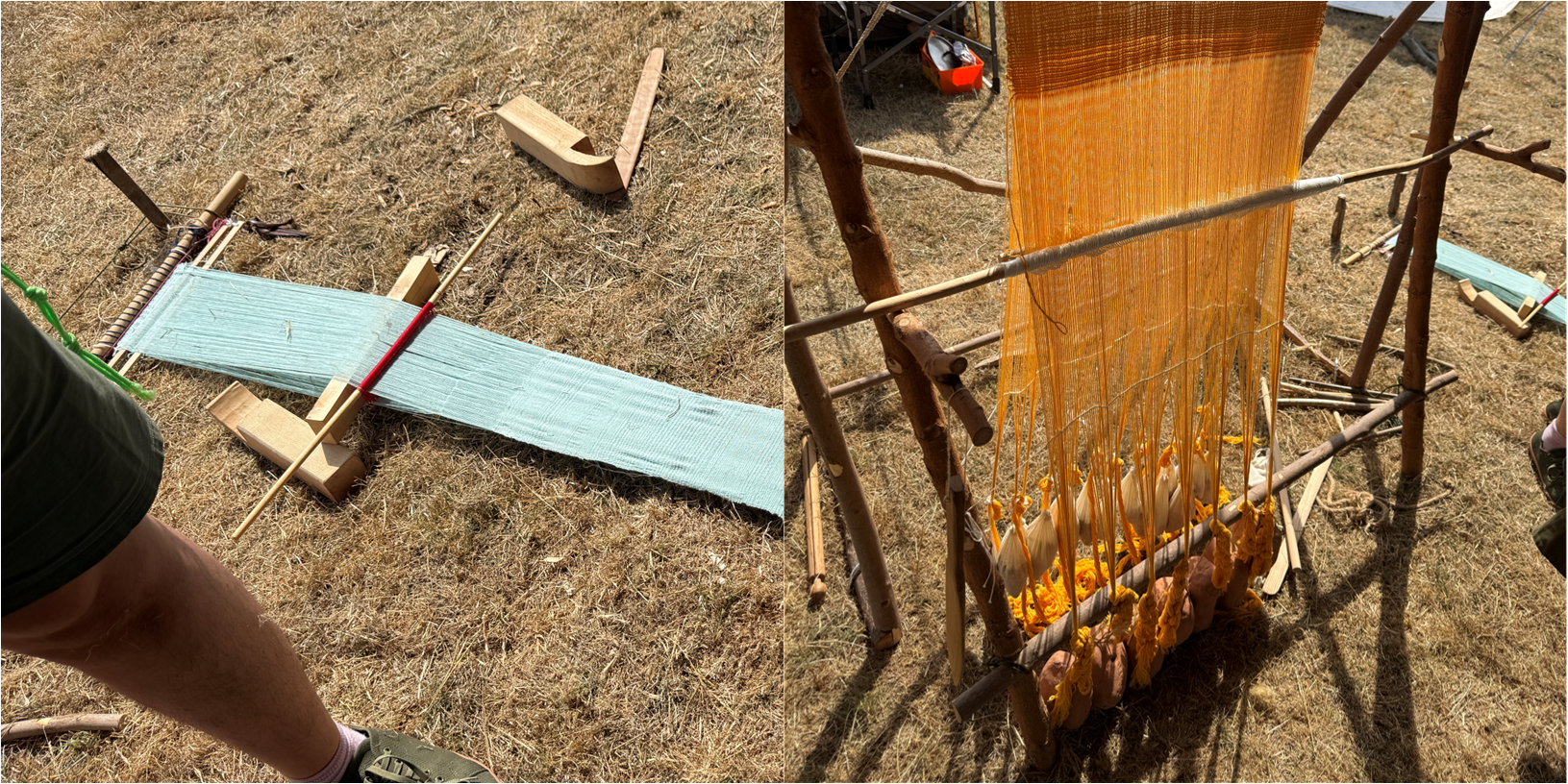
Archaeological flax weaving examples
A plant of many products, flax is predominantly known for both its seeds (for consumption and oil production) and its fibres (linen). With the latter still being prevalent today, it goes without saying that linen has been a clothing option that has stood the test of time. What we are focusing on today however, is the potential of using this material within the context of bow drill. We know that linen bow strings have been used in archery for thousands of years but how would it fare with the different stresses in bow drill?
This experiment came about at the Wilderness Gathering thanks to a collaboration with the amazing people at Exeter University’s Experimental Archelogy Department. Dr Linda Hurcombe, a legend within this world who I had the fortune of spending much time with over the weekend, kindly donated a good quantity of high quality processed flax fibres for use as a bow drill string.
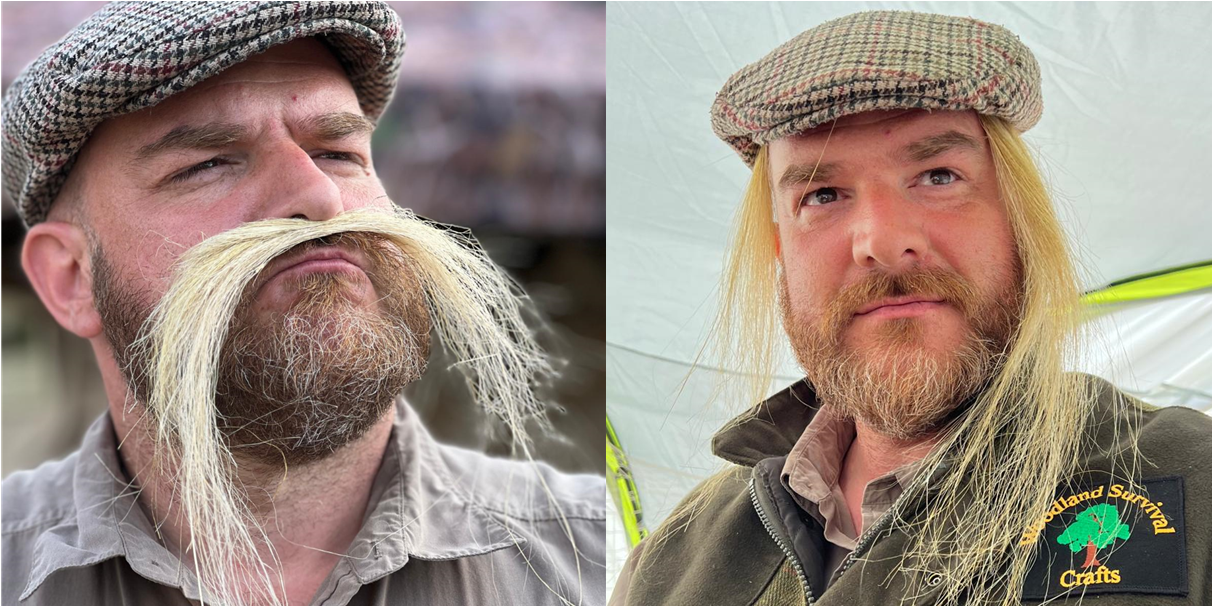
Having not actually worked with flax that much, particularly such well processed fibres, it was an interesting material to work with. It had similarities to horseradish due to its fine fibres, very similar to hair which, to someone folically challenged like myself, provided a temptation for playful behaviour too strong to deny.
This frizzy attribute required a lot of care to try and retain a certain neatness to the string. When compared to typically used natural materials in bow drill such as nettle (providing longer/thicker strands), the shorter, wiry composition meant much more frequent adding in. Linda gave me some solid advice here on coiling both strands during adding here which helped keep the string tidy during production. I knew that having loose ends would cause potential complications during the bowing so this was an important aspect to get on top of.
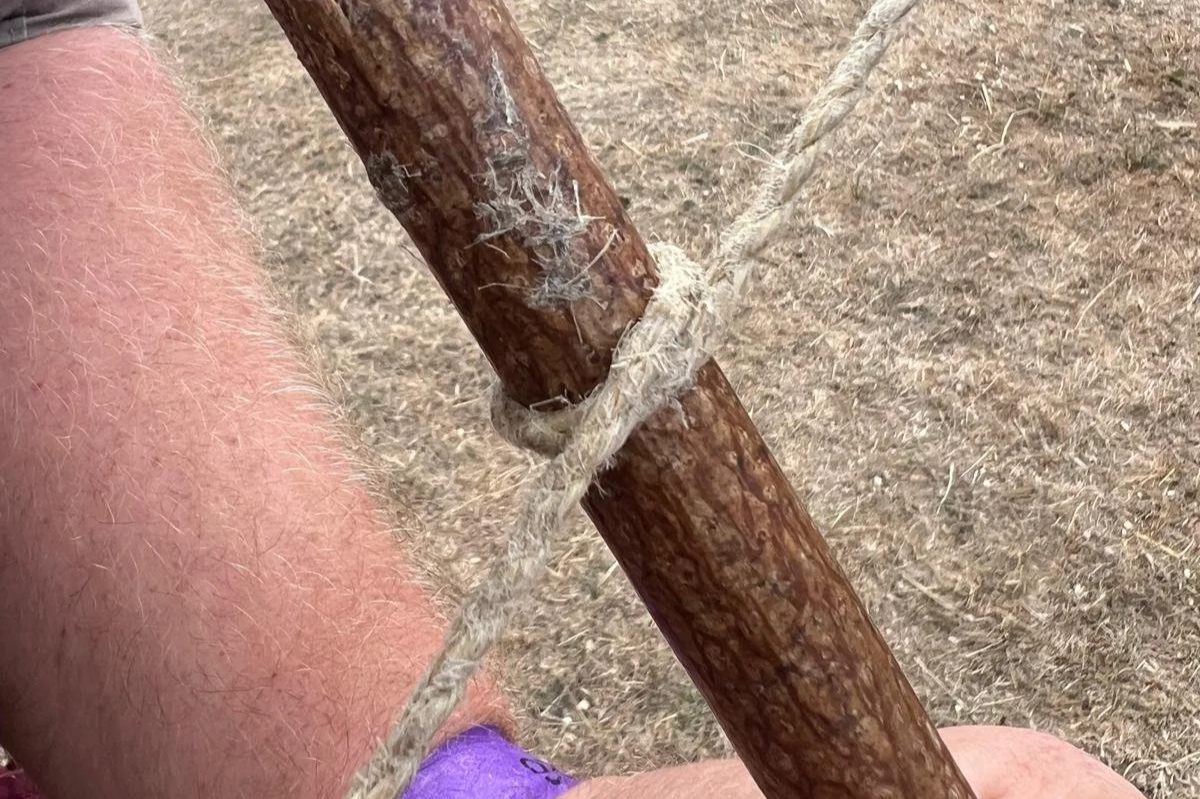
Single wrap/high tension
I knew that flax was an incredibly durable material, so I purposely left the gauge quite thin. Often, when using a natural string for bow drill, you need to have a loose cord with a decent thickness. You can double wrap the drill, which gives good grip without exerting excessive strain on the natural material being used. Here however, I wanted to put the flax through its paces a bit and let it show off its strength prowess. I tied it with a fairly high tension, single wrap and eased into the draw. Instantly, I could see fibres leaving as the drill turned - despite my best efforts it still wasn’t neat enough.
I had already singed off excess using a small flame so now I had to explore further refinements. I decided on waxing the string with beeswax. This would bring the fibres together neatly, bonding them. Sometimes, wax on a bow drill string can cause it to slip due to heating up, even though it adds more grip initially. I had good tension on the line so decided this would be less of an issue than normal. Other suggestions were to add moisture to it but I went with my own assessment on this occasion.
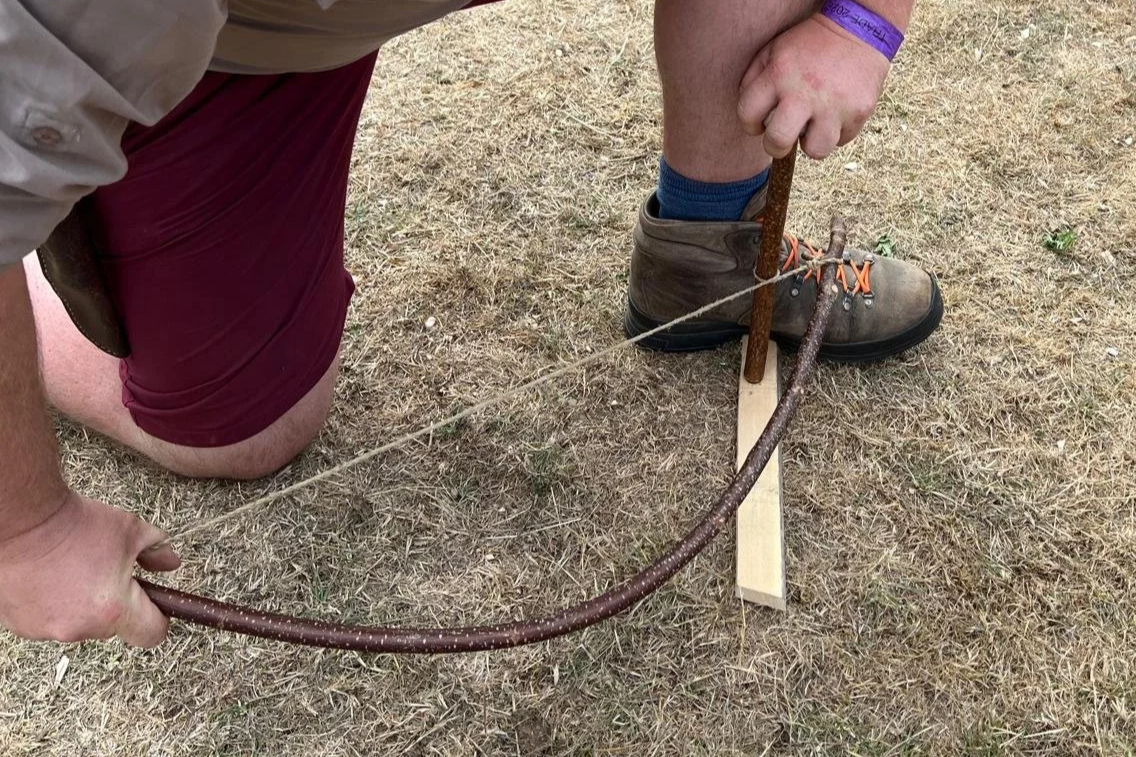
Bow drill in use
With the wax added, the string definitely retained much more of the fibres than previously, however some were still being shed so this was mainly a partial success. Definitely enough to get multiple embers from and it has shown positive levels of wear overall.
The next step in the experiment will be to use roughly processed fibres instead of the high grade supplied by Linda. This will require some patience though as I will have to grow some from seed next year - a process I will also write an article on.
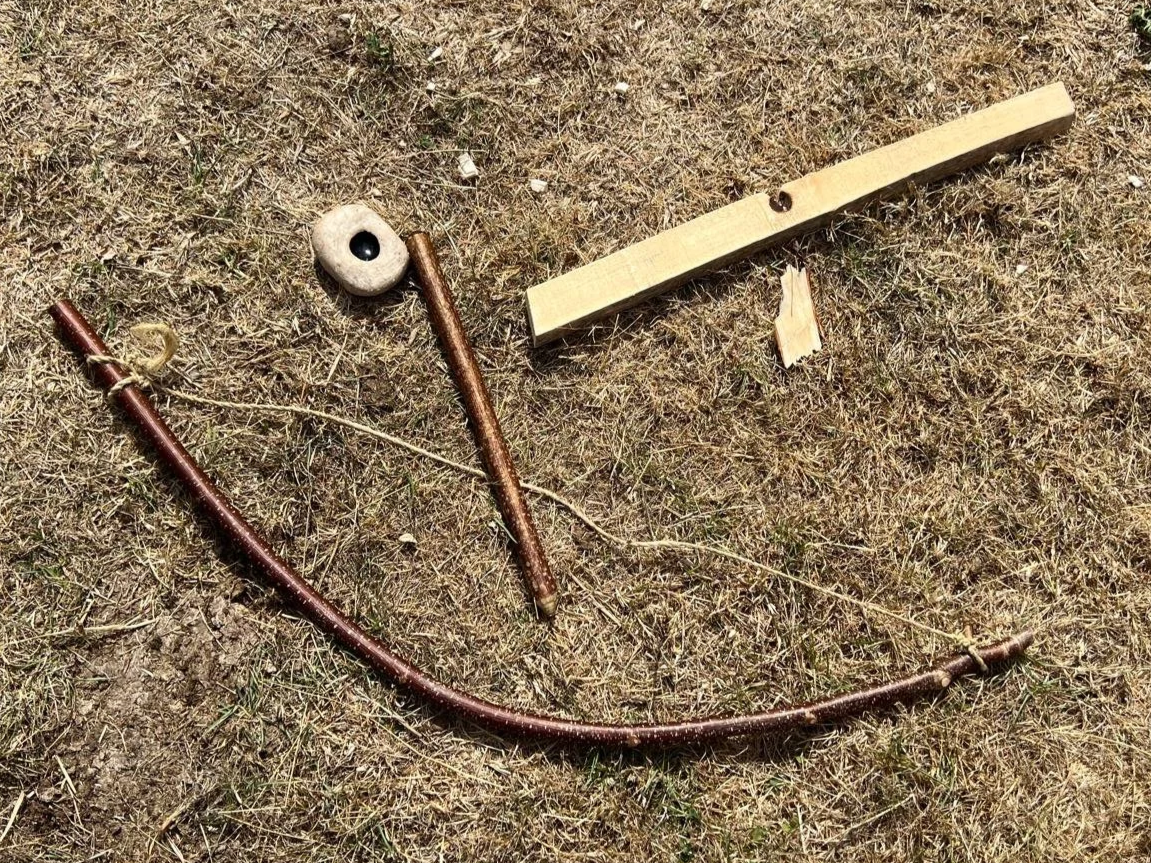
Whole kit (can anyone else see the Picasso?)
For now though, I will be signing off. Due to having a very busy period over the past month I have had less opportunity to write on here and the frequency of articles should increase back to normal levels moving forwards so thank you for being patient. As always, if you are interested in attending any courses or booking sessions with us visit our services page or get in touch for bespoke learning experiences.